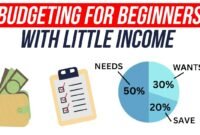

Saving money can feel like an uphill battle, especially when everyday expenses seem to rise faster than income. From grocery bills and transportation to housing costs and unexpected emergencies, managing personal finances has become a challenge for many households. However, financial experts often emphasize one important principle: building savings is less about how much you earn and more about how consistently you manage what you have.
The good news is that smart saving does not require a high salary, complicated investment strategies, or dramatic lifestyle changes. With a few practical adjustments and realistic goals, people at almost any income level can develop healthier financial habits and gradually build a stronger financial foundation.
One of the most effective ways to improve your finances is to understand where your money goes. Small purchases, monthly subscriptions, delivery fees, and impulse buys may appear harmless individually, but their combined cost can quietly consume a significant portion of your income.
Try tracking your expenses for 30 days using a notebook, spreadsheet, or budgeting application. Divide spending into categories such as housing, food, transportation, utilities, entertainment, and savings. Once you identify your spending patterns, you can decide which expenses deserve priority and which ones could be reduced without sacrificing your quality of life.
Save Before You Spend
A common mistake is waiting until the end of the month to save whatever money remains. Unfortunately, unexpected purchases and everyday necessities often leave little behind. A more reliable approach is to set aside a small amount immediately after receiving your income.
Even saving five or ten dollars a week can help establish a valuable routine, depending on your currency and circumstances. If your budget is particularly tight, begin with an amount that feels manageable rather than forcing yourself to meet an unrealistic target. Consistency matters more than the size of your first deposit.
Make Everyday Shopping Work in Your Favor
Groceries and household essentials offer practical opportunities to reduce spending without making life unnecessarily difficult. Planning meals before visiting the supermarket, comparing unit prices, preparing shopping lists, and using ingredients already available at home can prevent waste and unnecessary purchases.
Another useful strategy is to distinguish between needs and wants before buying something. Waiting 24 hours before making a nonessential purchase can help you determine whether the item is genuinely useful or simply attractive in the moment. Over time, these small decisions can free up money for more meaningful financial goals.
Build an Emergency Fund Gradually
Unexpected expenses can quickly disrupt even the most carefully planned budget. Medical bills, vehicle repairs, urgent home maintenance, or temporary income loss may force people to borrow money when they have no financial cushion.
Start by aiming for a modest emergency fund, such as enough to cover one unexpected expense. Then gradually work toward saving one month of essential living costs, eventually building toward three to six months if your circumstances allow. Keep this money accessible and separate from everyday spending so it remains available when genuine emergencies arise.
Reduce Bills Without Reducing Happiness
Saving does not mean eliminating every enjoyable activity. Instead, focus on expenses that deliver little value. Review recurring subscriptions, electricity consumption, mobile plans, and insurance costs to identify opportunities for savings.
Consider replacing expensive routines with affordable alternatives, such as preparing coffee at home, enjoying free community activities, or organizing budget-friendly gatherings with friends. The objective is to spend intentionally, not to remove every pleasure from daily life.
Turn Small Habits Into Lasting Progress
Smart saving works best when it becomes a sustainable part of everyday life. Set realistic monthly targets, review your progress regularly, and adjust your approach whenever your income or responsibilities change. If you receive extra money, consider directing a portion toward savings before increasing discretionary spending.
Ultimately, financial progress is not a competition. Whether you save a few dollars or a larger amount each month, every consistent step can improve your financial resilience. By understanding your spending, prioritizing savings, and making thoughtful purchasing decisions, you can build better money habits on almost any income and move toward a more confident financial future.